 UAE
UAE
 Qatar
Qatar
 Pakistan
 KSA
KSA
 Oman
Oman
 Kuwait
 Bahrain
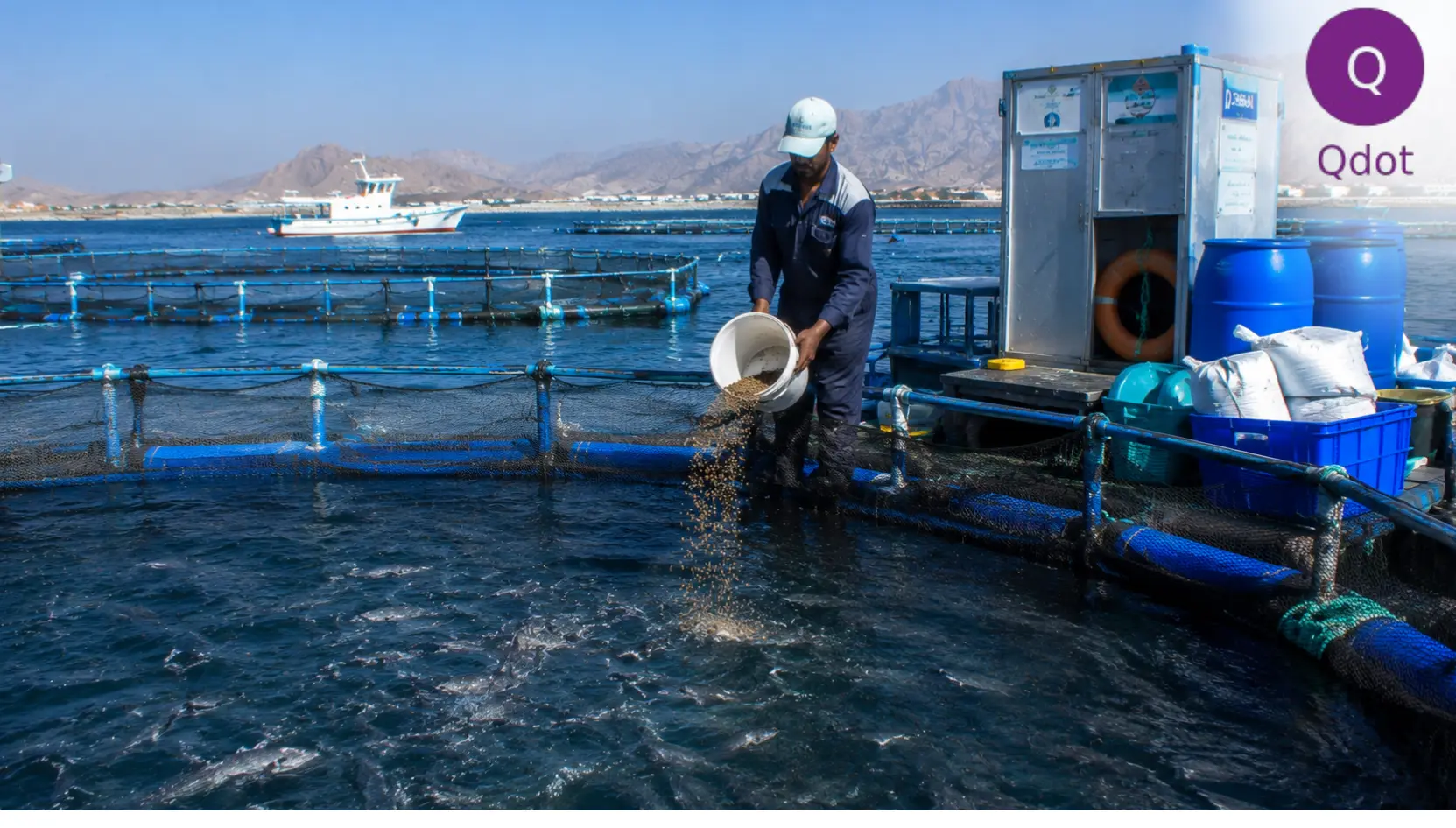
Fisheries & Aquaculture in Oman
Oman's coastline runs along the Arabian Sea, the Sea of Oman and the Arabian Gulf, and fishing has long been one of the country's most important non oil industries. Alongside traditional fishing, aquaculture, including shrimp, marine fish, abalone and oyster farming, is expanding as part of Oman's wider push to diversify the economy through its blue economy plans. For businesses in this sector, ISO certification is becoming a practical way to manage food safety, satisfy export requirements and give overseas buyers confidence in what they are receiving.
Who This Applies To: Fishing, Processing, Cold Storage and Fish Farms
Oman's seafood sector covers several distinct types of business, each with different priorities:
- Fishing companies and vessel operators, from traditional dhow based fishing to larger commercial fleets
- Seafood processing and export plants that clean, freeze, can or pack fish and shellfish
- Cold storage facilities and seafood logistics providers moving product from port to plant to airport or seaport
- Aquaculture farms producing shrimp, marine finfish, abalone, oysters or seaweed
- Fish feed producers supplying aquaculture operations
- Seafood trading and distribution companies selling into GCC, Asian, European and other export markets
Where Oman's Seafood Businesses Operate
Fishing and processing activity is spread along Oman's coast rather than concentrated in a single city. Duqm's fishing harbour and Special Economic Zone is being developed as a major hub for fishing fleets, processing plants and cold storage. Salalah and the wider Dhofar coast host established processing and canning operations. Sur and the Sharqiyah region are known for fish trading and export activity, and Muscat, particularly the Ghala and Rusayl industrial areas, is home to several of Oman's largest fish export and trading companies. Aquaculture projects are located wherever suitable farm sites and water conditions exist, rather than in one fixed zone.
Export Approvals and Food Safety Checks Before Fish Leaves Oman
Exporting fish and seafood from Oman involves more than a straightforward sale. Depending on the destination market, exporters typically need:
- A quality control approval number issued for the establishment through Oman's Fish Quality Control Centre
- A catch certificate from the Ministry of Agriculture, Fisheries Wealth and Water Resources, required for shipments to the European Union
- Test results and a health certificate confirming the product has passed microbiological, chemical or physical checks
- For some GCC markets, listing on the importing country's own approved supplier list, in addition to Oman's own export controls
These checks exist to confirm that hygiene, handling and storage were controlled properly from the point of capture or harvest through to export. A documented, ISO based food safety system makes it far easier to meet these requirements consistently, rather than treating every shipment or audit as a separate scramble.
Cold Chain and Traceability: Where Most Risk Sits
Fish and shellfish are highly perishable, so the biggest operational risks in this industry usually come down to temperature control and traceability. A break in the cold chain, whether on a fishing vessel, during transport to a processing plant, inside a blast freezer, or in transit to the airport, can affect both food safety and product quality. At the same time, buyers and regulators increasingly expect a product to be traceable back to the vessel, farm or catch area it came from, particularly for shipments supported by an EU catch certificate. Businesses that build temperature monitoring and batch level traceability into daily operations, rather than relying on manual paperwork, are better placed to handle both routine audits and buyer inspections.
ISO Standards Relevant to Oman's Seafood Industry
| Standard | Why it matters for fisheries and aquaculture |
|---|---|
| ISO 22000 | Food Safety Management System covering hazard analysis, hygiene control and HACCP based controls across processing, handling and storage |
| ISO 9001 | Quality Management System for consistent grading, packing and order fulfilment, often requested by overseas buyers and trading partners |
| ISO 14001 | Environmental Management, relevant to aquaculture farms managing water quality, effluent and impact on the surrounding marine environment |
| ISO 45001 | Occupational Health and Safety, covering risks on fishing vessels, in processing plants and in cold storage areas |
| ISO 22005 | A framework for designing traceability across the feed and food chain, useful for linking catch or harvest records to export batches |
| ISO/IEC 17025 | Competence requirements for testing laboratories, relevant to labs carrying out microbiological or chemical testing for export certificates |
Not every business needs every standard on this list. A shrimp farm's priorities around water quality and feed traceability are different from those of a processing plant preparing frozen fish for export.
How Qdot Supports Seafood and Aquaculture Businesses in Oman
As an ISO consultancy, Qdot helps fisheries and aquaculture businesses build management systems that hold up under both certification audits and export inspections. This includes reviewing current hygiene, handling and record keeping practices against ISO 22000 and HACCP principles, setting up traceability records that match catch certificate and buyer requirements, preparing documentation for vessels, plants and cold stores, and training staff, from plant supervisors to quality controllers, on the systems they are expected to maintain. Qdot works alongside accredited certification bodies to get businesses audit ready. Qdot does not issue ISO certificates itself.
FAQs
No. Export approvals, catch certificates and health certificates issued by Omani authorities are the legal requirement. ISO certification is not mandatory, but it supports these requirements by giving the business a documented system to work from, and it is often requested by international buyers.
Yes. ISO standards scale to the size of the operation. A small shrimp or fish farm can put in place a simplified food safety and environmental management system that matches its actual activities, without needing the level of documentation a large processing plant would use.
This depends on how developed current hygiene and record keeping practices already are. Most seafood processors need a few months to prepare documentation, train staff and complete initial checks before the certification audit takes place.
ISO 14001 does not replace Oman's environmental permits, but a working environmental management system makes it easier to demonstrate ongoing compliance, monitor water quality and respond to environmental conditions attached to a farm licence.