 UAE
UAE
 Qatar
Qatar
 Pakistan
 KSA
KSA
 Oman
Oman
 Kuwait
 Bahrain
Food & Beverage in Oman
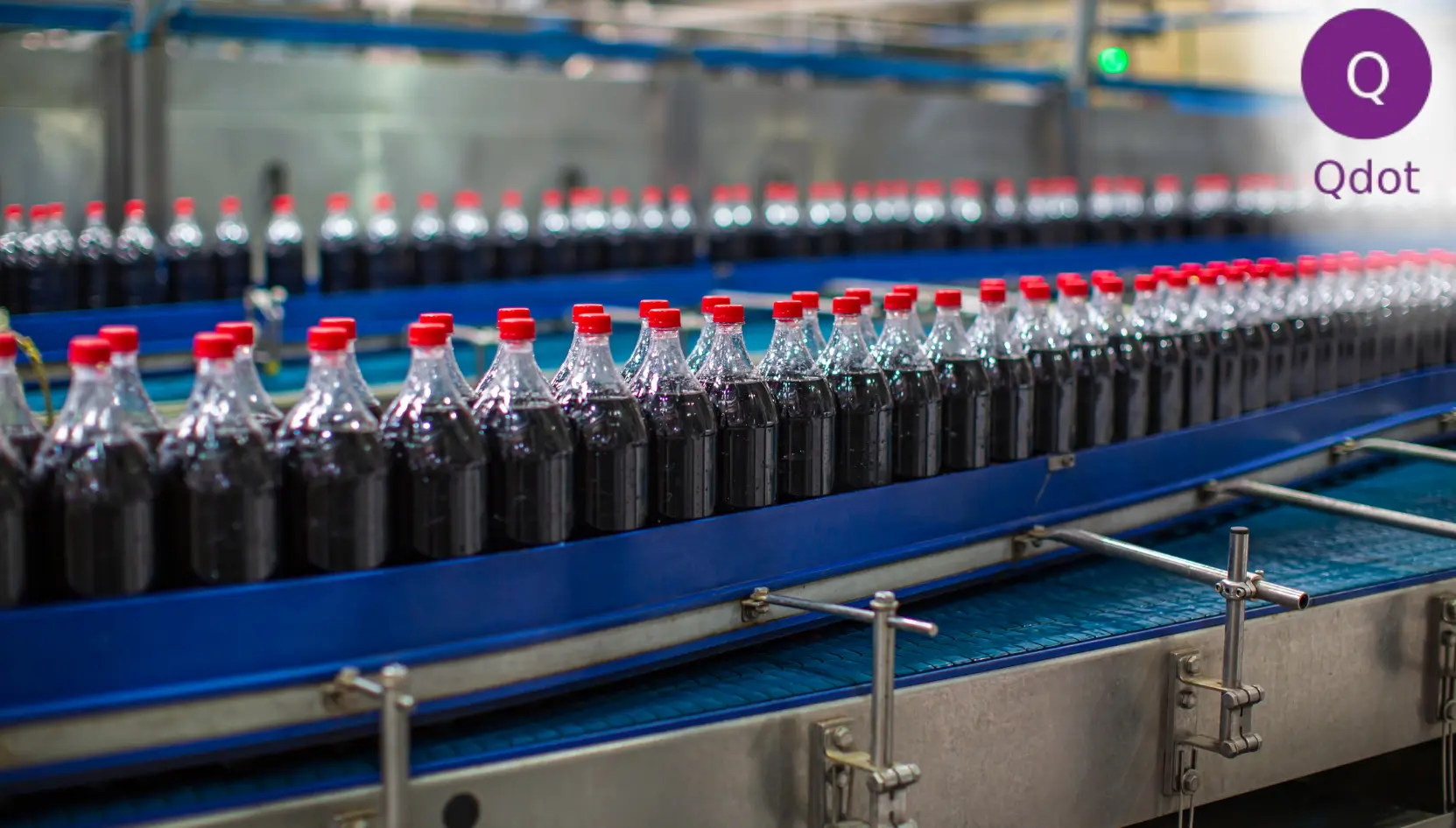
Oman imports a large share of the food it consumes, from wheat and dairy to packaged goods and beverages, most of it arriving through Sohar, Salalah and Muscat before moving into processing plants, kitchens, warehouses and shop shelves. At the same time, the government's food security push and Vision 2040's drive to diversify the economy are building more processing and storage capacity inside the country itself. For businesses in this sector, from a factory in Sohar Free Zone to a restaurant in Muscat, ISO certification is a way to show that food stays safe and traceable at every step, not only at the point of sale.
Food Processing, Catering, Trading and Storage in Oman
This industry covers several different business types, each with its own food safety focus:
- Food and beverage manufacturing: Milling, bottling, refining and packaging units in Sohar Free Zone and industrial estates such as Rusayl and Khazaen Economic City, producing items from edible oils and refined sugar to bottled water, juices and bakery goods.
- Catering: Contract caterers supplying labour camps, schools, hospitals and industrial or offshore sites, where food is often prepared off site and transported before serving.
- Restaurants and hotel kitchens: Independent restaurants, chains and hotel food outlets across Muscat, Salalah and other cities, licensed and inspected by municipal food control departments.
- Food trading and distribution: Importers, wholesalers and distributors moving packaged food, dairy, meat and beverages through Omani ports into supermarkets, hotels and smaller retailers.
- Cold chain and storage: Dry and temperature controlled storage operators, including facilities in Khazaen Economic City, holding food between arrival and sale.
Oman's Food Safety Law and Where ISO Fits In
Food businesses in Oman already operate under the Food Safety Law, which covers restaurants, cafes, bakeries, kitchens, food processing plants, mills, slaughterhouses and cold or dry storage areas. Municipal food control departments, including Muscat Municipality, issue trade licenses and food handler health cards, and carry out regular inspections. HACCP is already recognised in Oman as a leading food safety benchmark, and several hotels and major retailers have adopted it or ISO 22000 for their own operations, well beyond the legal minimum.
ISO 22000 and HACCP do not replace this licensing system. They add a documented, repeatable way to identify hazards, control them at the right points, and keep the records that both municipal inspectors and commercial buyers ask to see. Products sold across the GCC also need to meet Gulf Standardization Organisation (GSO) and Omani Standards, including halal requirements where relevant.
Common Risks in Oman's Food Supply Chain
- Long import chains: Most ingredients and packaged goods travel from overseas through Sohar, Salalah or Muscat before reaching a factory, kitchen or shelf, so supplier and batch traceability matter.
- Heat and cold chain breaks: Holding a steady temperature between port, warehouse, delivery vehicle and outlet is harder in Oman's climate, particularly through the summer months.
- Shared production space: Smaller processors often operate inside multi-tenant units on industrial estates, raising the risk of cross contamination between products or allergens.
- Workforce turnover: Food processing, catering and kitchen roles rely heavily on expatriate staff, so training records need to keep pace with regular staff changes.
- Seasonal peaks: Ramadan, National Day and the Salalah Khareef tourism season all push kitchens, caterers and distributors to handle higher volumes with the same staff and space.
- Buyer expectations: Supplying a supermarket chain, hotel group or export market increasingly means passing a supplier audit before an order is confirmed.
ISO Standards Used in Oman's Food & Beverage Sector
| Standard | Focus | Where It Applies in Oman |
|---|---|---|
| ISO 22000 | Food Safety Management | Processors, caterers and traders building a complete system to identify and control food safety hazards. |
| HACCP | Hazard Analysis and Critical Control Points | Restaurants, hotel kitchens, caterers and processors; already a recognised food service benchmark in Oman. |
| FSSC 22000 | Food Safety Certification Scheme | Manufacturers supplying supermarket chains, hotel groups or export markets that require a recognised scheme. |
| GMP | Good Manufacturing Practice | Food and beverage manufacturing sites controlling hygiene, layout and process discipline. |
| Halal | Halal Compliance | Meat, poultry and processed food producers selling within Oman and across the GCC. |
| ISO 9001 | Quality Management | Traders, distributors and caterers standardising ordering, handling and complaint processes. |
| ISO 45001 | Occupational Health and Safety | Processing plants and cold stores managing machinery, heat stress and manual handling risks. |
| ISO 14001 | Environmental Management | Manufacturers managing wastewater, packaging waste and energy use, especially in free zone facilities. |
Why Retailers, Hotels and Export Buyers Ask for Certification
This pattern is already visible in Oman. Several major retail chains and hotel groups in Muscat have achieved HACCP or ISO 22000 certification for their own stores and kitchens, which raises expectations for their suppliers too. Processors in Sohar and Salalah aiming to sell packaged foods or ingredients into GCC and international markets typically need FSSC 22000 or a similar recognised scheme before larger buyers will consider them, alongside halal and GSO product compliance. Government and semi-government catering contracts, including camp and site catering, also commonly list ISO 22000 or HACCP as part of the prequalification process.
How Qdot Supports Food & Beverage Businesses in Oman
Qdot is an ISO consultancy, not a certification body. The certificate itself is issued by an independent, accredited certification body once your system is ready. For food and beverage clients, we usually start with a gap review against the standard you need, most often ISO 22000, HACCP, FSSC 22000, GMP or Halal. From there, we build documentation around your actual production line, kitchen or warehouse rather than a generic template, train your team so records stay current despite staff turnover, run an internal audit, and support you through the certification audit and later surveillance audits. This applies whether you are processing in Sohar or Rusayl, catering or running a kitchen in Muscat, or trading and storing food through Salalah, Duqm or Khazaen.
Talk to Qdot
If your business processes, caters, trades or stores food anywhere in Oman, Qdot can help you work out which standard fits your operation and get your team ready for audit.
FAQs
No. Restaurants and food businesses must meet Oman's Food Safety Law and municipal licensing requirements, which are mandatory. ISO 22000 and HACCP are voluntary, but they are increasingly requested by supermarket chains, hotel groups and larger buyers, and they help a business meet municipal inspections more consistently.
HACCP is a method for identifying and controlling hazards at specific points in a food process. ISO 22000 builds that method into a complete, documented food safety management system with wider requirements around communication, planning and continual improvement.
Traders and distributors handling temperature sensitive goods often benefit from the same documented handling, storage and traceability practices that ISO 22000 requires, even though they are not manufacturing food themselves.
Yes. Halal certification covers religious compliance in sourcing, slaughter and processing, while ISO 22000 covers food safety hazard control. Many processors in Oman pursue both, particularly when selling across the GCC.
It depends on the size of the operation, the number of sites and how much documentation already exists. Qdot can give a realistic timeline after an initial review.