 UAE
UAE
 Qatar
Qatar
 Pakistan
 KSA
KSA
 Oman
Oman
 Kuwait
 Bahrain
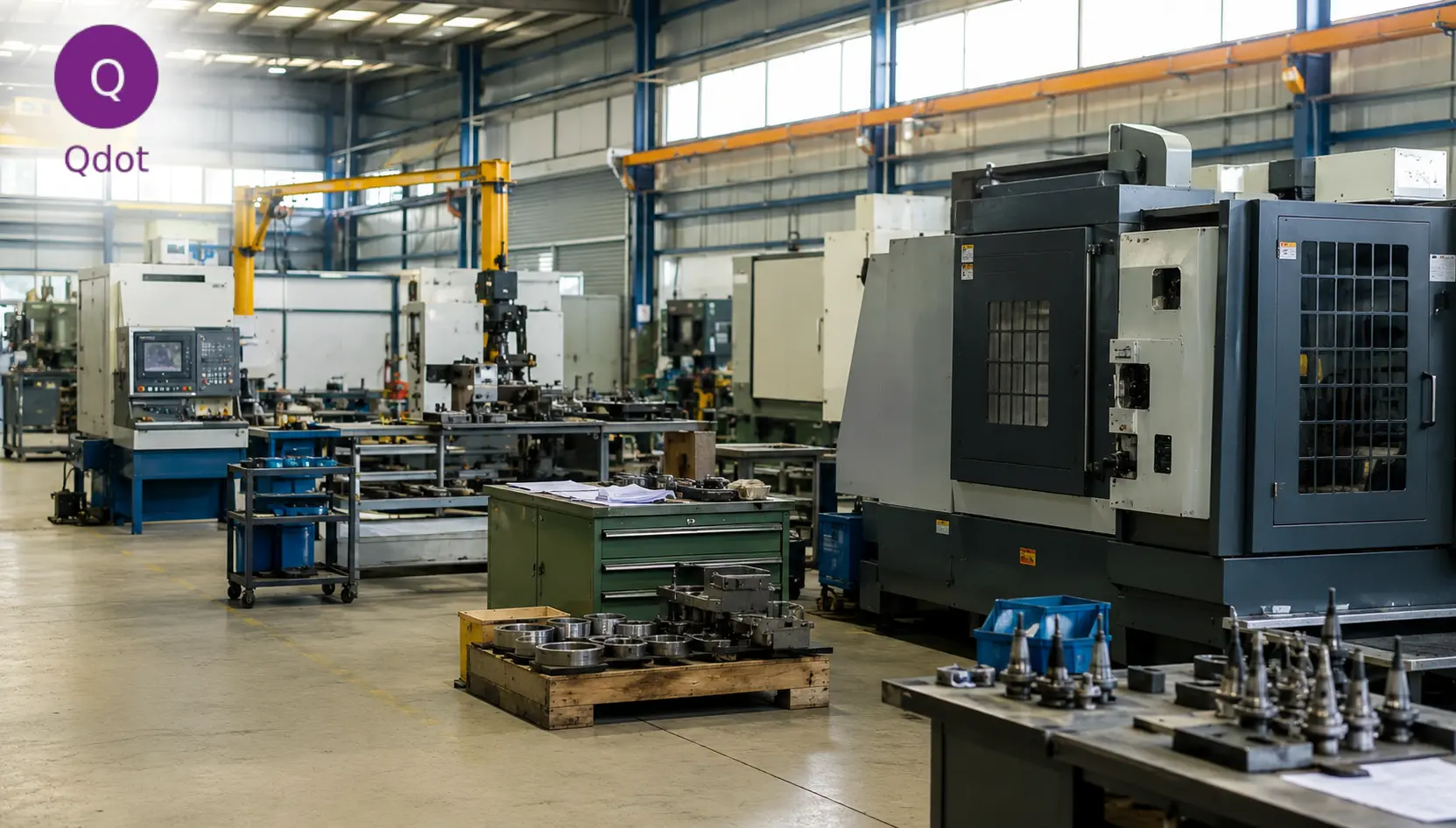
Manufacturing is one of the sectors Oman is actively building up under Vision 2040, as the economy looks beyond oil and gas. A large share of this activity runs through the industrial estates managed by Madayn (formerly PEIE), starting with Rusayl Industrial Estate outside Muscat — the country's first, now home to well over a hundred factories making everything from corrugated packaging and cables to cement, detergents and plastic additives.
Sohar looks different again. More than half the tenants in Sohar's port and free zone area work in metals, anchored by large-scale aluminium smelting, steel production, iron ore pelletizing and zinc recycling operations that pull in a growing cluster of downstream and support manufacturers. Duqm's Special Economic Zone is now attracting sizeable new projects of its own, including a green steel facility planned to run on renewable power. Add Sur, Nizwa and Salalah's Raysut industrial area, and manufacturing in Oman spans a genuinely wide range of factory floors — from heavy furnaces and rolling mills to light assembly, packaging and fabrication workshops.
For businesses operating across these estates and zones, ISO certification is a practical way to show clients, anchor industries and free zone authorities that production, safety and environmental controls hold up under real scrutiny — not just on paper.
Main Activities in the Sector
- Metals & metal processing: Steelmaking, aluminium smelting and downstream rolling, ferrochrome production and zinc recycling, concentrated mainly around Sohar.
- Building materials & minerals-based manufacturing: Cement, ready-mix and marble production supplying Oman's ongoing housing and infrastructure projects.
- Plastics & packaging: Corrugated packaging, bulk bags (FIBC), masterbatch and polymer additives, much of it based around Rusayl.
- Cables & industrial supplies: Cable and fibre-optic manufacturing, industrial gases, lubricants and detergents for domestic use and export.
- General fabrication & light engineering: Workshops producing metal fabrication, tanks, structural steel and equipment parts for the oil, gas, construction and utility sectors.
Common Challenges & Risks
- Energy- and water-intensive processes: Smelting, steelmaking and cement production use significant power and water, making energy performance a real cost issue, not just an environmental one.
- Environmental permitting: Dust, emissions, effluent and waste from metal and mineral processing fall under Environment Authority requirements, and factories are expected to show consistent control, not one-off fixes.
- Machinery and factory-floor safety: Furnaces, rolling lines, forklifts, cranes and high-voltage equipment create real injury risk, especially under production targets.
- Asset-heavy operations: Production lines and industrial equipment represent large capital investment, so unplanned downtime and weak maintenance planning hit output and cost directly.
- Buyer and tender expectations: Anchor industries, free zone authorities and government-linked projects increasingly expect certified suppliers and support contractors around them.
ISO Standards That Matter Most
- ISO 9001 – Quality Management: Controls consistency in production, incoming materials and customer specifications — usually the starting point before anything else.
- ISO 14001 – Environmental Management: Structures how a factory controls emissions, effluent and waste, directly relevant to metal, mineral and chemical processing.
- ISO 45001 – Occupational Health & Safety: Addresses the real hazards of furnaces, heavy machinery and material handling on the factory floor.
- ISO 50001 – Energy Management: Tracks and reduces energy use — especially relevant for Sohar's metals cluster and cement producers, where power is a major operating cost.
- ISO 55001 – Asset Management: Applies directly to production lines and industrial equipment, helping reduce unplanned downtime and plan maintenance around asset lifecycle.
- ISO/IEC 17025 – Testing & Calibration Competence: Relevant for factories running in-house QC labs, such as metal composition or cement strength testing, that need to demonstrate technical competence to customers or regulators.
Why ISO Certification Matters
As Oman pushes economic diversification under Vision 2040, manufacturers increasingly need to prove their systems match the discipline expected by anchor industries, free zone authorities and government-linked buyers — not just meet a minimum. Certification also has a direct operational payoff: fewer safety incidents, better control over energy-heavy processes, and less unplanned downtime on equipment that's expensive to replace. For smaller fabrication and support businesses supplying larger plants in Sohar or Duqm, a certified system is often what gets them onto an approved vendor list in the first place.
How Qdot Can Help
Qdot is an ISO consultancy: we help you prepare for certification, while the certificate itself is issued by an independent, accredited certification body. For manufacturing clients in Oman, we typically start with a gap review against the standards that matter for your operation — often ISO 9001, 14001 and 45001 together, with ISO 50001 or ISO 55001 added where energy use or asset uptime are real cost drivers. From there, we build documentation your production team will actually use, train staff, run an internal audit, and support you through the certification audit — whether you're based in Rusayl, Sohar, Duqm, Nizwa or elsewhere in Oman.
Talk to Qdot
If your factory or industrial unit is planning ISO certification in Oman, Qdot can help you choose the right standards and get audit-ready.
FAQs
Most factories start with ISO 9001 for quality management, then add ISO 14001 and ISO 45001 depending on their environmental and safety risk profile.
It isn't a legal requirement, but many anchor industries and their contractors treat certified quality and safety systems as part of vendor prequalification.
No. Any factory with meaningful energy costs can benefit, including cement, plastics and packaging producers on smaller industrial estates.
That's ISO/IEC 17025, which covers the technical competence of testing and calibration activities rather than general quality management.
Yes. Qdot supports manufacturers across Oman's industrial estates and free zones, including Duqm, Nizwa, Sur and Salalah.