 UAE
UAE
 Qatar
Qatar
 Pakistan
 KSA
KSA
 Oman
Oman
 Kuwait
 Bahrain
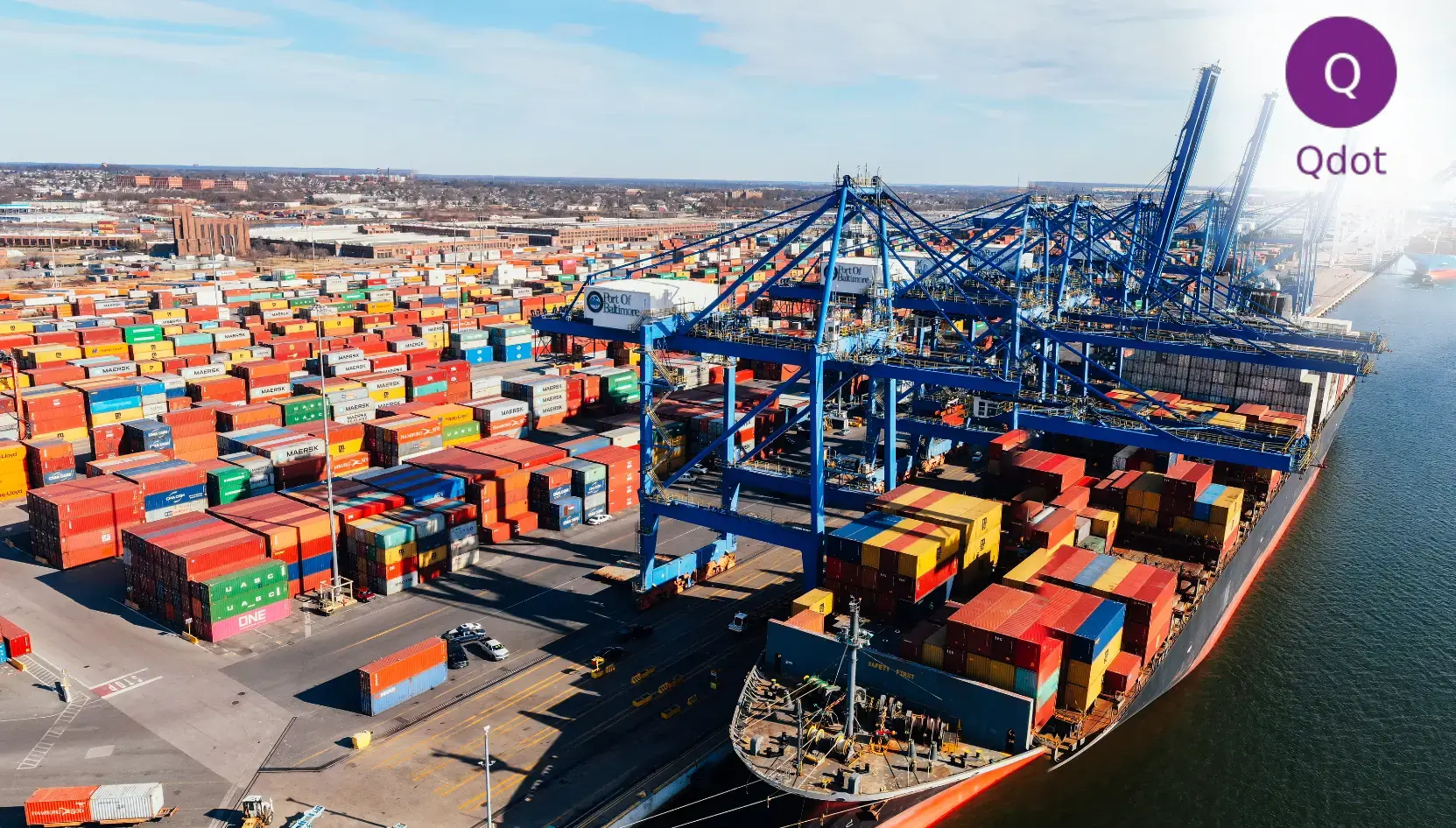
Ports, Logistics & Supply Chain in Oman
Oman's ports, warehouses and freight operators sit right at the centre of the country's shift away from oil. Vision 2040 and the Sultanate of Oman Logistics Strategy (SOLS 2040) both treat logistics as a sector that should carry a much bigger share of the economy, built around Sohar, Salalah, Duqm and Muscat. As that push continues, ports, free zone authorities, corporate shippers and even customs are asking logistics companies to prove their systems work, not just describe them. ISO certification has become one of the clearest ways to do that. This page covers what the industry actually involves in Oman, where the real risks sit, and which ISO standards genuinely apply.
Oman's Main Ports, Free Zones and Logistics Hubs
Most of Oman's ports and free zones sit under ASYAD Group, the state logistics company, though each location plays a different role:
- Sohar Port and Free Zone, built for bulk, container and industrial cargo tied to nearby manufacturing and petrochemical plants.
- Salalah Port and Free Zone, one of the region's busiest transhipment ports, connecting East Africa and South Asia trade routes.
- Duqm Special Economic Zone, a newer hub combining a deepwater port, dry dock, industrial area and logistics services zone.
- Port Sultan Qaboos in Muscat, now focused on multipurpose cargo and cruise traffic.
- Khazaen Dry Port, an inland logistics point near Muscat linking road freight to the coastal ports.
Companies operating in or around these locations, along with the trucking routes linking Sohar, Muscat, Duqm, Salalah and the UAE border, form the backbone of this industry in Oman.
What Ports, Logistics and Supply Chain Businesses in Oman Actually Do
The sector covers a wide mix of operations rather than one type of business:
- Port and terminal operations, including container and bulk cargo handling
- Freight forwarding, shipping agencies and customs clearance
- Road haulage and long distance trucking between industrial zones and ports
- Warehousing, bonded storage and distribution centres
- Cold chain and temperature controlled storage for food and pharma cargo
- Third party logistics (3PL) and contract distribution services
Many Omani logistics companies combine two or three of these under one roof, for example a warehouse operator that also runs its own delivery fleet, which changes what a management system needs to cover.
The Real Risks Behind Moving and Storing Cargo in Oman
A few risks come up again and again for businesses in this sector:
- Cargo damage, loss or wrong delivery: which drives most customer complaints and disputes in freight and warehousing.
- Workplace safety: particularly forklift movement, container handling, working at height on stacked storage, and heavy vehicle traffic in yards and on highway corridors.
- Customs and security expectations: including the Authorised Economic Operator (AEO) programme run by Oman Customs, which rewards companies that can show documented, auditable supply chain controls.
- Cargo security: covering theft, tampering and unauthorised access to containers, yards and warehouses.
- Environmental exposure: from fuel handling, emissions, spill risk and waste generated at ports, yards and vehicle workshops.
- Operational disruption: since Oman's logistics sector depends heavily on regional shipping patterns, port congestion and weather events that can affect Salalah and coastal routes.
Most of these are not new problems. What has changed is that ports, free zone authorities and large shippers increasingly expect a documented system behind how a company controls them, not just a policy statement.
ISO Standards That Fit Freight, Warehousing and Port Operations
Not every standard applies equally across the sector. These are the ones that consistently fit ports, logistics and supply chain operations in Oman:
- ISO 9001 (Quality Management): Service consistency, complaint handling and prequalification for port and corporate tenders.
- ISO 45001 (Occupational Health and Safety): Forklift, crane, loading bay and yard safety across ports, warehouses and depots.
- ISO 14001 (Environmental Management): Fuel, emissions, spill control and waste management at ports and free zone sites.
- ISO 28000 (Supply Chain Security Management): Cargo security, access control and theft prevention, closely aligned with Oman's AEO requirements.
- ISO 22301 (Business Continuity Management): Planning for route disruption, port congestion and weather related delays.
- ISO 39001 (Road Traffic Safety): Fleet and driver safety for haulage operators running long distance routes.
- ISO 27001 (Information Security): Protecting cargo tracking data, customer shipment details and access to EDI or customs systems.
For companies handling perishable or pharmaceutical cargo, ISO 22000 and HACCP based controls for cold storage are also worth considering alongside the standards above.
Most companies do not need every standard on this list. A freight forwarder's priorities look different from a warehouse operator's, and a trucking fleet's priorities look different again.
Qdot's Approach for Logistics and Supply Chain Companies in Oman
Because this sector often spans more than one site, a port office, a warehouse, a vehicle yard, documentation needs to reflect how cargo actually moves between them, not just describe each location separately. Qdot works through the operation as it runs today: how cargo is received, stored, handled and dispatched, who is responsible for each handover, and where records already exist versus where they need to be built. From there, we develop procedures, risk assessments, checklists and records your team can maintain without heavy paperwork, and train staff so the system holds up during a real customer or certification audit.
Where a company needs more than one standard, for example ISO 9001 alongside ISO 45001 for a warehouse and fleet operation, we build them as one integrated system rather than separate binders. Qdot supports this across Sohar, Salalah, Duqm and Muscat, as well as through our wider ISO consultancy in Oman.
FAQs
ISO 9001 is usually the starting point, since it covers service quality and is the most commonly requested standard in tenders and prequalification. Safety heavy operations often add ISO 45001 soon after.
No. AEO is a trade facilitation programme run by Oman Customs. ISO 28000 is an international supply chain security standard. They cover similar ground, and a company working toward AEO status will find much of the same documentation useful for ISO 28000.
It depends on the risks actually present. Forklift movement and manual handling create injury risk even without hazardous cargo, so a short risk review is usually enough to confirm whether it should be a priority.
Yes, as long as the scope statement and documentation clearly describe all locations and activities involved. This is common for logistics groups operating across more than one site in Oman.
No. Qdot is a consultancy. We prepare your management system and get your team ready for audit. The certificate is issued by an independent, accredited certification body.